

What on Earth Is Neurobranding (Why Should Your Brain Care)?
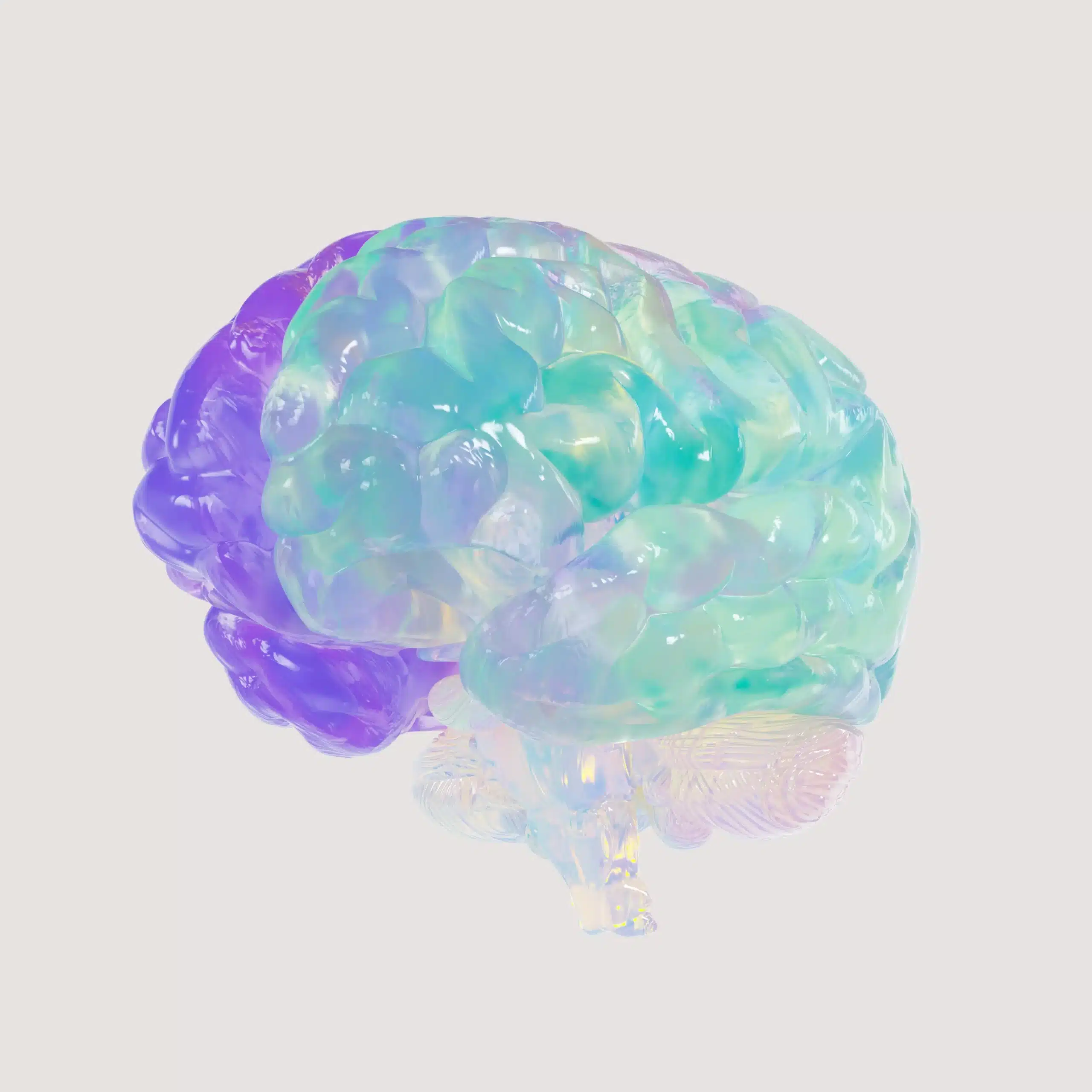
Let’s start with the obvious: “Neurobranding” sounds like something cooked up by a mad scientist with a marketing degree. Don’t worry—no one’s hooking your customers up to brain monitors (at least, not yet). Neurobranding is simply the art and science of understanding how people’s brains respond to brands—and using that knowledge to create stronger, more emotional connections.
At Bäst, we like to think of it as branding with a brain.
So… What Is Neurobranding, Really?
Imagine your brand as a person walking into a party. Within seconds, everyone’s brain has decided whether they like them or not. The tone of voice, the outfit, the way they say “hello”—all of it adds up to an impression that sticks long after the chips and dip are gone.
That’s neurobranding in a nutshell: the study of how colors, fonts, sounds, and messaging trigger emotional and physiological responses in the brain. It’s marketing’s answer to psychology’s favorite question: “Why do people do what they do?”
When your audience sees your logo or hears your tagline, their brain fires off signals tied to memory, emotion, and trust. If your brand feels warm, familiar, and consistent, those neurons dance like they’re at a Taylor Swift concert. If it feels off-brand or confusing, the brain hits the brakes and quietly thinks, “Hmm, maybe not.”
The Science (Don’t Worry, It’s the Fun Kind)
Neurobranding taps into what psychologists call the limbic system—the part of the brain that processes emotion and memory. It’s the reason people “just know” when a brand feels right. Logic takes a backseat, and feelings take the wheel.
Think of how you feel when you hear the “ta-dum” of Netflix or see that golden McDonald’s arch from a mile away. Your brain doesn’t analyze it—it reacts. That’s neurobranding at work: shaping emotional shortcuts so that every encounter with your brand feels familiar, trustworthy, and positive.
At Bäst, we’re not conducting brain scans in our Boise studio (though it sounds fun). But we do use the principles of neurobranding to design with emotion in mind—color psychology, font associations, tone of voice, and even the pacing of a website’s layout all play a role in keeping those neurons happy.
The Funny Thing About Feelings
Here’s where things get interesting: most people think they make buying decisions based on logic. (“I compared five different models and read all the reviews.” Sure, you did.) But neuroscience says otherwise. Over 90% of purchase decisions happen subconsciously. The heart decides first, and the head scrambles to justify it later.
That’s why brands built on authentic emotion outperform those that just chase trends. When your brand feels good, it’s not manipulation—it’s resonance. Neurobranding simply helps you understand what emotional notes your brand is playing and whether your audience’s brains are clapping along.
Putting Neurobranding to Work
You don’t need a lab coat to use neurobranding. You just need to think like a human.
Ask yourself:
- Does my brand make people feel something?
- Are my visuals, words, and tone consistent enough to build trust?
- Do my colors match the mood I want my customers to feel?
Small tweaks—like softening harsh tones, refining your logo’s balance, or making your website’s flow more intuitive—can rewire how people perceive you. Neurobranding is about aligning your strategy with what the brain already loves: clarity, simplicity, and emotional reward.
Brains Love Brands That Feel Human
At the end of the day, neurobranding isn’t about tricking people. It’s about understanding them. When you build your brand with empathy and emotion, you connect not just to eyes and ears—but to hearts and minds.
And that’s the real secret to standing out in a world of noise: be the brand that feels right. Your customers’ brains will thank you for it (and their wallets probably will too).
Want to build a brand your audience loves on a gut level? Let’s make it happen. Visit wearebast.com
Comments are closed.